
Understanding Lower Back Pain: A Canadian Guide to Orthopaedics and Spine Health
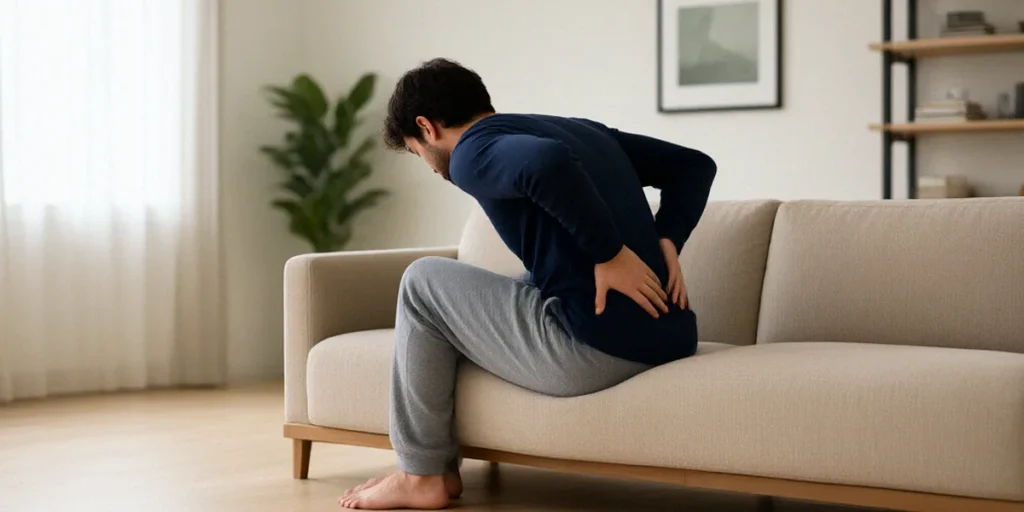
It starts as a small twinge while you’re loading groceries into the car in a snowy parking lot. By evening, you can’t bend down to tie your boots, and sleeping through the night feels impossible. For many Canadians, this scenario is painfully familiar. Lower back pain disrupts work, family life, and the activities we love, and it can feel like there’s no clear path forward. Our team’s goal with this guide is to demystify the condition — to explain what’s actually happening in your spine, why back pain is so widespread in Canada, and what orthopaedic options exist, from physiotherapy to spinal implants. Understanding the “why” behind your pain is the first step toward getting the right care.
Why Lower Back Pain Is So Common in Canada
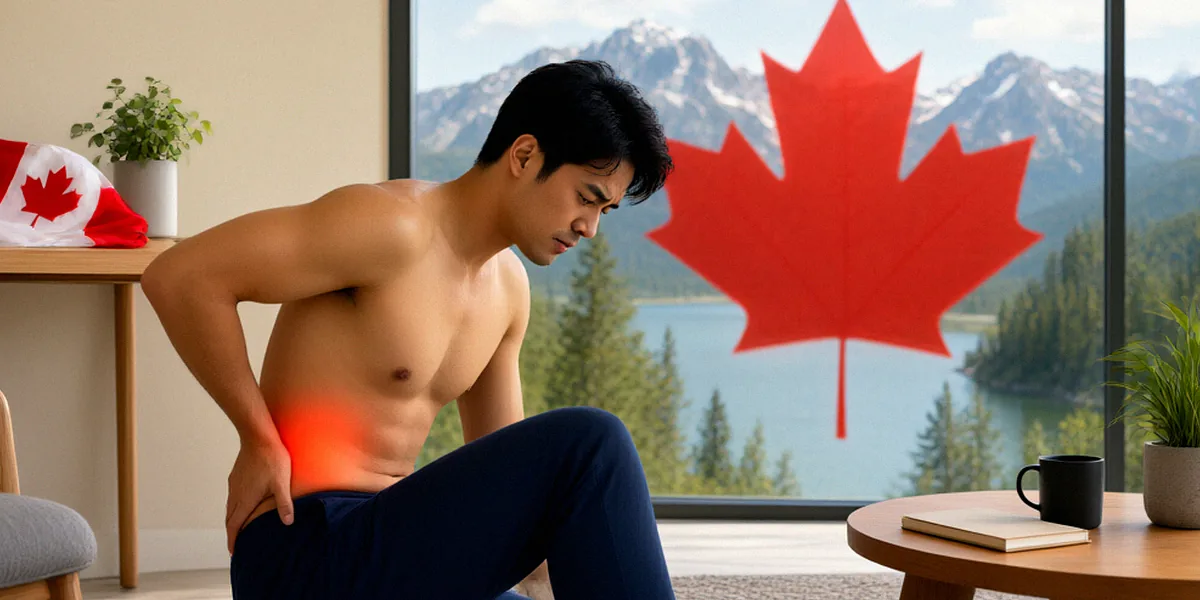
Back pain isn’t just a personal annoyance — it’s a public health issue. The Canadian Institute for Health Information reports that back pain is one of the most common reasons for emergency department visits in Canada, and it remains a leading cause of disability nationwide. Part of the reason is lifestyle: many Canadians spend long hours seated at desks, in vehicles, or on couches, which weakens the muscles that support the spine. Add our long, cold winters — which reduce outdoor activity and increase the risk of slips on ice — and you have a recipe for back problems that affect nearly every demographic.
The Role of Posture and Desk Work
Prolonged sitting is harder on your spine than most people realize. When you sit for hours, your hip flexors tighten, your glutes weaken, and your lumbar spine loses its natural curve. Over time, this postural strain places extra load on the facet joints and discs in the lower back. We often recommend simple changes: standing up every 30 minutes, adjusting your chair so your feet rest flat on the floor, and positioning your monitor at eye level. These small adjustments won’t fix everything, but they reduce cumulative stress on the spine.
How Canadian Winters Affect Back Pain
Cold weather doesn’t directly cause back pain, but it contributes in several ways. Cold muscles are stiffer and more prone to strain. Shovelling snow — a repetitive, twisting activity — is a classic trigger for acute lower back injuries. Icy sidewalks and driveways increase fall risk, and reduced daylight often means less walking and movement overall. Our advice: warm up before shovelling, use a lightweight shovel, and push snow rather than lifting it whenever possible.
The Anatomy of Your Spine: Facet Joints and Beyond
To understand back pain, it helps to understand what your spine is made of. The spine is a column of vertebrae stacked on top of each other, separated by cushion-like discs. At the back of each vertebra, small paired joints called facet joints connect one vertebra to the next. The Canadian Spine Society notes that these joints guide movement and provide stability — but they can also become a source of pain. Importantly, facet joints are different from discs. Discs act as shock absorbers between vertebrae, while facet joints are the actual articulating surfaces that allow your spine to bend and twist.
What Are Facet Joints?
Facet joints are small, synovial joints — meaning they’re lined with cartilage and lubricated by fluid, similar to your knee or finger joints. Each vertebra has two facet joints, one on each side, and they interlock with the joints of the vertebrae above and below. They bear load, especially when you arch your back or rotate your torso. Like any joint, facet joints can wear down over time, becoming inflamed and arthritic.
How Facet Joints Cause Referred Pain
One of the trickiest things about facet joint pain is that it doesn’t always stay in the back. Irritated facet joints can refer pain into the buttocks, hips, or even the backs of the thighs. This is why patients sometimes describe pain that seems to move around, making it hard to pinpoint. Facet joint arthritis is a leading cause of lower back pain in adults over 50, according to orthopaedic research, and it’s a diagnosis we see frequently in our clinics.
Common Causes of Lower Back Pain We See
Our team works with patients from Toronto, Vancouver, and communities across the country, and the causes we encounter most often include:
- Muscle strains — often from lifting, twisting, or sudden movements
- Herniated discs — when a disc’s inner material pushes against nearby nerves
- Spinal stenosis — narrowing of the spinal canal that can compress nerves
- Osteoarthritis — including facet joint arthritis, which is especially common in adults over 50
Muscle Strains vs. Structural Issues
Muscle strains typically improve within a few weeks with rest, gentle movement, and physiotherapy. Structural issues — like herniated discs or stenosis — tend to produce more persistent symptoms, often with leg pain, numbness, or weakness. Distinguishing between the two matters because it shapes the treatment plan. A strain rarely needs imaging, while structural problems may warrant an MRI and a specialist referral.
When to Suspect Facet Joint Problems
Facet joint pain often worsens with extension — arching backward — or with rotation, and it may ease when you lean forward. If your pain is concentrated in the lower back and radiates into the buttocks or hips without clear nerve symptoms down the leg, facet joint involvement is worth discussing with your healthcare provider. A targeted physical exam and, in some cases, diagnostic injections can help confirm the diagnosis.
Orthopaedic Treatments and Implants: What Canadians Should Know
The Canadian Spine Society recommends conservative care before considering surgery for most lower back pain cases — and we agree. Surgery is reserved for specific situations: nerve compression that doesn’t improve, instability, or structural problems causing severe, persistent symptoms. When surgery is appropriate, Canadian hospitals use well-established implant systems, including Medtronic and Stryker, two brands commonly used in spinal fusion surgeries. Health Canada regulates spinal implants as Class III medical devices, ensuring they meet rigorous safety and effectiveness standards before they’re used in Canadian patients.
Non-Surgical Approaches We Recommend
Before any surgical discussion, we typically recommend a structured approach: physiotherapy to strengthen the core and improve mobility, anti-inflammatory medication where appropriate, activity modification, and — for some patients — facet joint injections or nerve blocks. Weight management and low-impact exercise like swimming or walking can also make a meaningful difference.
Spinal Implants: Types and Considerations
When surgery is needed, the main options include spinal fusion — where implants such as rods, screws, and cages stabilize the spine — and artificial disc replacement, which preserves motion at the treated level. Each has trade-offs. Fusion is well-studied and reliable for many conditions but reduces motion at that segment; artificial discs aim to preserve movement but aren’t suitable for every patient. Your surgeon will weigh factors like your age, bone quality, and the specific diagnosis.
When to Seek Help from a Spine Specialist
Most back pain resolves on its own, but certain symptoms require prompt attention. Red flags include loss of bladder or bowel control, progressive weakness in the legs, numbness in the saddle area, unexplained weight loss, or pain following significant trauma. These warrant urgent medical evaluation. For non-urgent concerns, we encourage patients to consult their family physician or a healthcare provider — and to be aware that wait times for specialist referrals vary by province. In our view, early intervention matters: the sooner a structural problem is identified, the more options remain available.
Red Flags You Should Never Ignore
Seek immediate care if you experience any of the following:
- Sudden loss of bladder or bowel control
- Progressive weakness or numbness in one or both legs
- Numbness in the groin or saddle area
- Severe pain after a fall or accident
- Unexplained fever or weight loss alongside back pain
Navigating the Canadian Healthcare System
Access to spine care in Canada depends on your province and the urgency of your condition. Family physician referrals are the usual starting point, and wait times for orthopaedic consultations can range from weeks to months depending on region. Keeping a symptom diary, requesting imaging when appropriate, and asking about multidisciplinary pain clinics can help you move through the system more effectively.
FAQ
Is lower back pain usually a sign of something serious?
Most lower back pain is mechanical — caused by muscle strain, facet joint irritation, or disc problems — and improves within weeks. However, red flags like loss of bladder control or progressive leg weakness should prompt immediate medical attention.
Do I need surgery for facet joint arthritis?
Rarely. The Canadian Spine Society recommends conservative care first, and most patients with facet joint arthritis manage well with physiotherapy, medication, and targeted injections. Surgery is considered only when symptoms are severe and persistent despite non-surgical treatment.
Are spinal implants used in Canada safe?
Yes. Health Canada regulates spinal implants as Class III medical devices, the highest risk classification, which requires rigorous pre-market review and post-market monitoring. Brands like Medtronic and Stryker are widely used in Canadian hospitals.
How long are wait times for a spine specialist in Canada?
Wait times vary significantly by province and by the urgency of your condition. Some patients are seen within weeks, while non-urgent referrals may take several months. Your family physician can advise on expected timelines in your region.
Conclusion
Lower back pain is common, but it isn’t something you simply have to live with. Understanding the anatomy of your spine — including the facet joints that so often cause referred pain — and knowing the full range of orthopaedic treatments, from conservative care to spinal fusion and artificial discs, empowers Canadians to seek appropriate care at the right time. If your pain persists or you notice red-flag symptoms, speak with a healthcare provider and explore evidence-based options, including facet joint interventions and implants when they’re genuinely necessary.