
Joint Replacement Materials: What Every Canadian Should Know
You’re sitting in a consultation room in Toronto or Calgary, and your surgeon has just told you that you need a hip or knee replacement. You nod, take in the words, and then a quieter question creeps in: what is actually going into my body? Will it last? Will it set off airport security? Can I still hike, ski, or chase grandchildren around the backyard? These are the questions we hear from Canadian patients every day, and they deserve clear answers. At Archus, we believe understanding orthopaedic implants — the metals, ceramics, and plastics that replace worn-out joints — helps you make better decisions alongside your care team.
Why Implant Materials Matter for Your Joint Replacement
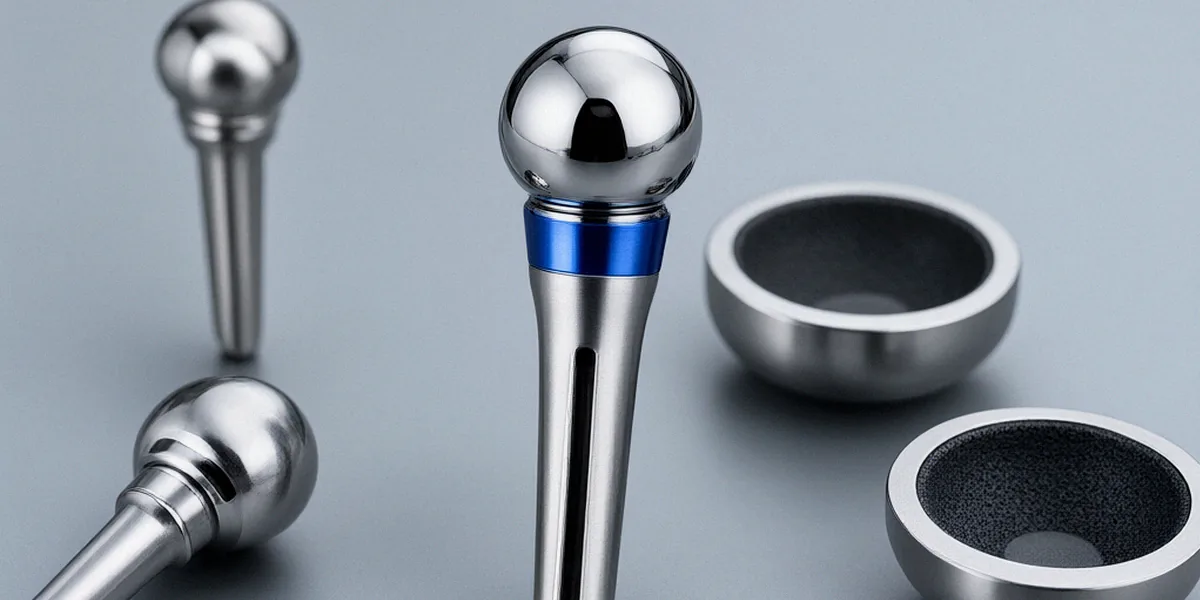
The material your implant is made from affects far more than the price tag. It influences how long the joint lasts, how it wears against itself, and even how well your surgeon can monitor it with imaging like MRI or CT scans. In Canada, surgeons at major centres such as Toronto Western Hospital and Vancouver General Hospital routinely discuss material options with patients before surgery, especially for younger or more active individuals. The choice is not one-size-fits-all — it’s a balance of durability, biocompatibility, and your personal circumstances.
How Material Choice Impacts Implant Lifespan
Modern joint replacements are engineered to last 15 to 25 years or more, but that range depends heavily on the bearing surfaces — the parts that rub against each other with every step. Metal-on-polyethylene, ceramic-on-polyethylene, and ceramic-on-ceramic each wear at different rates. Wear particles can trigger inflammation and, over time, lead to loosening of the implant. Materials that generate fewer particles and resist scratching tend to last longer, which is why material science has become such a focus in orthopaedics.
The Role of Your Activity Level and Age
A 45-year-old marathon runner and an 80-year-old gardener have very different demands. Younger, more active patients may benefit from harder, low-wear bearing surfaces because they’ll put millions of extra cycles on the joint. Older patients with lower activity levels might do perfectly well with a standard metal-on-polyethylene design. Your age at the time of surgery also affects the likelihood you’ll eventually need a revision procedure, which is another reason surgeons weigh material choices carefully.
The Main Types of Joint Replacement Materials
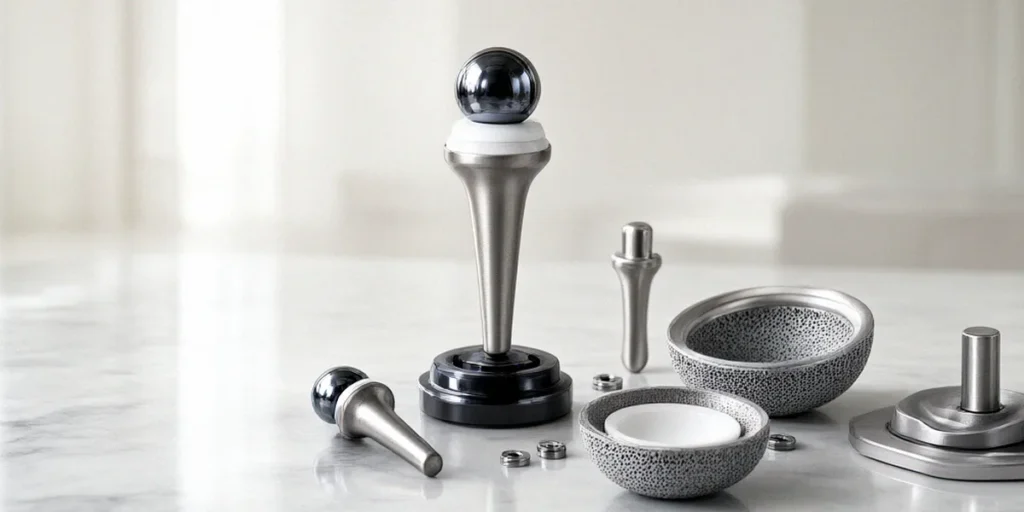
Most hip and knee implants are built from a combination of materials, each doing a specific job. The stem or shell that anchors into bone is often metal, while the bearing surface — where movement happens — may be plastic, ceramic, or metal. Let’s break down the four main categories.
Titanium and Cobalt-Chrome Alloys
Titanium and cobalt-chrome are the most common metal alloys used in hip and knee replacements in Canada. Titanium is popular because bone can grow directly into its porous surface, a process called osseointegration, which helps the implant anchor securely. Cobalt-chrome, meanwhile, is harder and more wear-resistant, so it’s often used on weight-bearing surfaces like the femoral head in a hip implant or the femoral component of a knee. Some patients with nickel sensitivity may react to certain alloys, which is why allergy history matters.
Ceramic Implants: Pros and Cons
Ceramic bearings are extremely hard, smooth, and scratch-resistant, which means very low wear rates. They’re also hypoallergenic, making them attractive for patients with metal sensitivities. The downsides? Ceramic can be more expensive, and although rare, there is a small risk of fracture. Ceramic-on-ceramic pairs are typically reserved for younger, active patients — but as we’ll discuss, provincial coverage for these premium options varies.
Highly Cross-Linked Polyethylene
Polyethylene is the medical-grade plastic used as a cushion between metal or ceramic components. Older polyethylene wore down relatively quickly, but highly cross-linked polyethylene has significantly reduced wear rates compared to older plastics. This innovation has extended the expected lifespan of many hip and knee replacements and is now considered a standard choice in most Canadian hospitals.
How Surgeons Choose the Right Material for You
There’s no universal “best” implant. Your surgeon considers a mix of clinical evidence, your anatomy, and practical factors like what your province will cover. We encourage patients to treat this as a shared decision, not a lecture.
Patient-Specific Factors
Key considerations include:
- Age and activity level: Younger, high-demand patients may need more durable bearings.
- Weight and BMI: Higher loads can accelerate wear on softer materials.
- Allergies: Nickel or metal sensitivity may rule out certain cobalt-chrome or titanium alloys.
- Bone quality: Osteoporosis or prior fractures can influence fixation strategy.
- Lifestyle goals: Returning to skiing, cycling, or heavy lifting shapes the recommendation.
Provincial Coverage and Wait Times
Canada’s provincial health plans cover medically necessary joint replacement surgery, but they don’t always cover every implant on the market. Provincial health plans in Canada may not cover premium implants like ceramic-on-ceramic, leading to out-of-pocket costs that can range from a few hundred to several thousand dollars. Wait times also vary widely by province and hospital. We recommend asking your surgeon’s office for a clear breakdown of what’s covered under your provincial plan before you consent to surgery.
The Latest Innovations in Orthopaedic Implants
Orthopaedic research is moving quickly, and Canadian institutions are part of the story. From 3D-printed metals to implants that report on their own performance, the next decade of joint replacement looks very different from the last.
3D-Printed and Porous Implants
3D-printed porous titanium implants are being used at Canadian hospitals such as The Ottawa Hospital. These implants mimic the structure of natural bone, allowing for better bone ingrowth and potentially stronger fixation — especially useful in complex revision surgeries where bone stock is limited. The technology also allows surgeons to customize implant shapes to a patient’s unique anatomy.
Ceramic-on-Ceramic and Vitamin E Polyethylene
Ceramic-on-ceramic bearings continue to improve, with newer formulations offering lower fracture risk and excellent wear resistance. Meanwhile, vitamin E-infused polyethylene is gaining traction because the antioxidant helps prevent oxidation of the plastic over time, extending its durability. Both are areas of active research in Canada and internationally.
What to Ask Your Orthopaedic Surgeon
Walking into your consultation prepared makes a real difference. The Canadian Orthopaedic Association provides patient education on joint replacement materials and questions to ask your surgeon, and we suggest bringing a written list so nothing gets missed.
Key Questions About Materials and Longevity
- Which implant material are you recommending for me, and why?
- What is the expected lifespan of this implant given my age and activity level?
- What are the risks of wear, fracture, or allergic reaction with this material?
- How many of these procedures have you performed with this specific implant?
- Will I be able to have an MRI in the future with this implant?
Understanding Provincial Reimbursement
Ask directly: “Is this implant fully covered by my provincial health plan, or will I pay out of pocket?” Request the difference in cost between the standard option and any premium alternative. If you have private supplemental insurance through work, check whether it covers orthopaedic implants or related hospital fees. Knowing these numbers ahead of time prevents surprises.
FAQ
Are metal implants safe for people with nickel allergies?
Not always. Some cobalt-chrome and titanium alloys contain trace nickel, which can trigger reactions in sensitive patients. If you have a known nickel allergy, tell your surgeon — ceramic or alternative alloy options may be available.
How long do modern hip and knee replacements typically last?
Most modern implants last 15 to 25 years, with highly cross-linked polyethylene and ceramic bearings pushing those numbers higher. Your activity level, weight, and the surgeon’s technique all influence longevity.
Does my provincial health plan cover ceramic-on-ceramic implants?
Coverage varies. Provincial health plans in Canada may not cover premium implants like ceramic-on-ceramic, which means patients sometimes pay out of pocket. Always confirm with your surgeon’s office and your provincial ministry of health.
Can I get an MRI after joint replacement surgery?
In most cases, yes. Titanium and cobalt-chrome implants are generally MRI-compatible, though the implant can cause some image distortion around the joint. Tell your radiologist what implant you have before any scan.
Where can I find trusted Canadian patient resources?
The Canadian Orthopaedic Association offers patient education on joint replacement materials and questions to ask your surgeon. Provincial health websites and hospital pre-surgical programs are also excellent starting points.
Material science can sound intimidating, but the takeaway for Canadian patients is simple: you have a voice in what goes into your body. Ask about the metals, ceramics, and polyethylene your surgeon is considering, understand what your provincial plan covers, and lean on trusted resources like the Canadian Orthopaedic Association. With the right questions and the right team, your joint replacement can be a genuine long-term investment in your mobility and quality of life.